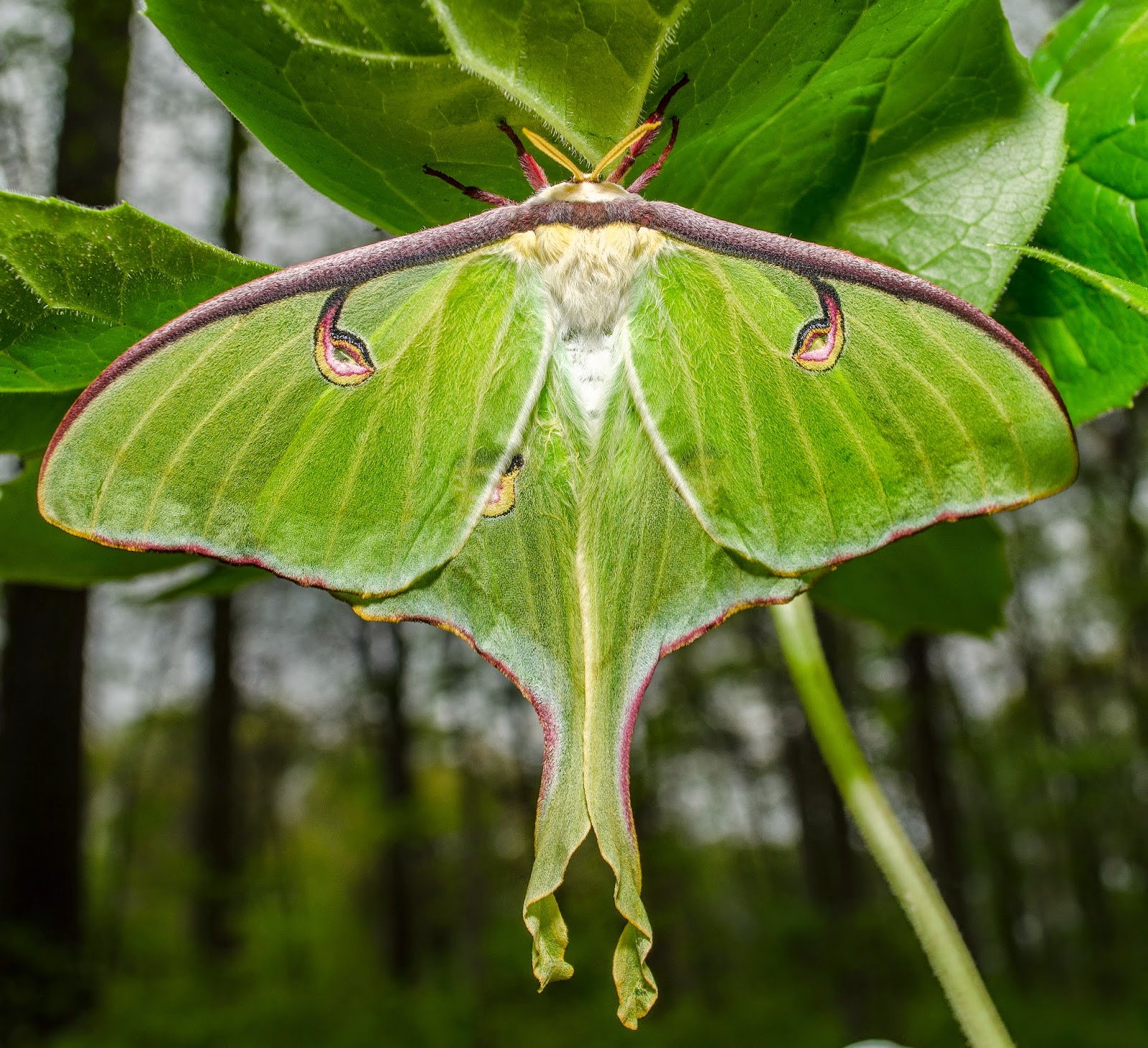
About Luna Moth
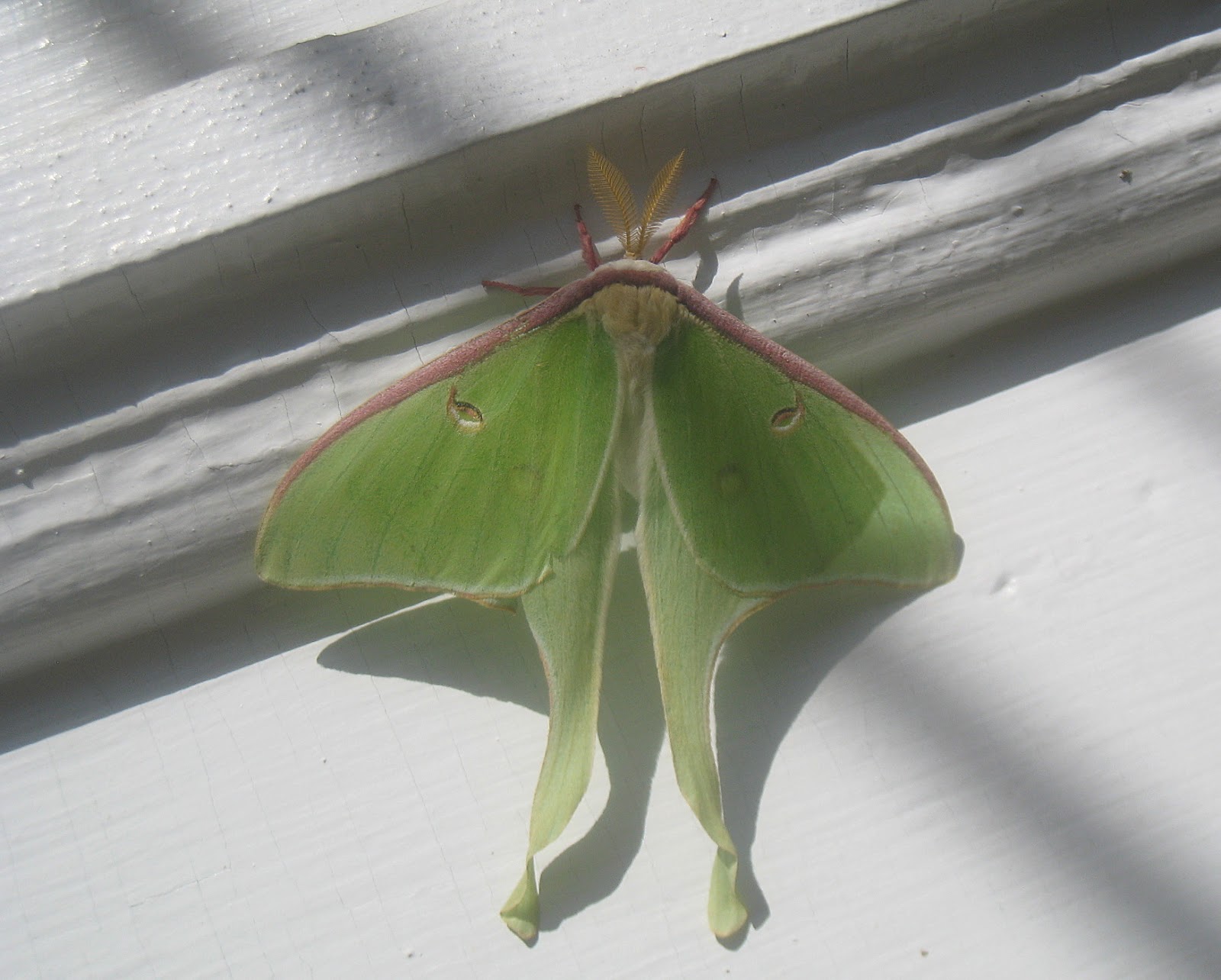
The Luna Moth, scientifically known as Actias luna, is a beautiful species of moth found in North America. With its vibrant green wings and unique appearance, this moth is often considered one of the most enchanting insects in the world. The Luna Moth is known for its short but remarkable lifespan, fascinating life cycle, and important role in the ecosystem.
Physical Appearance
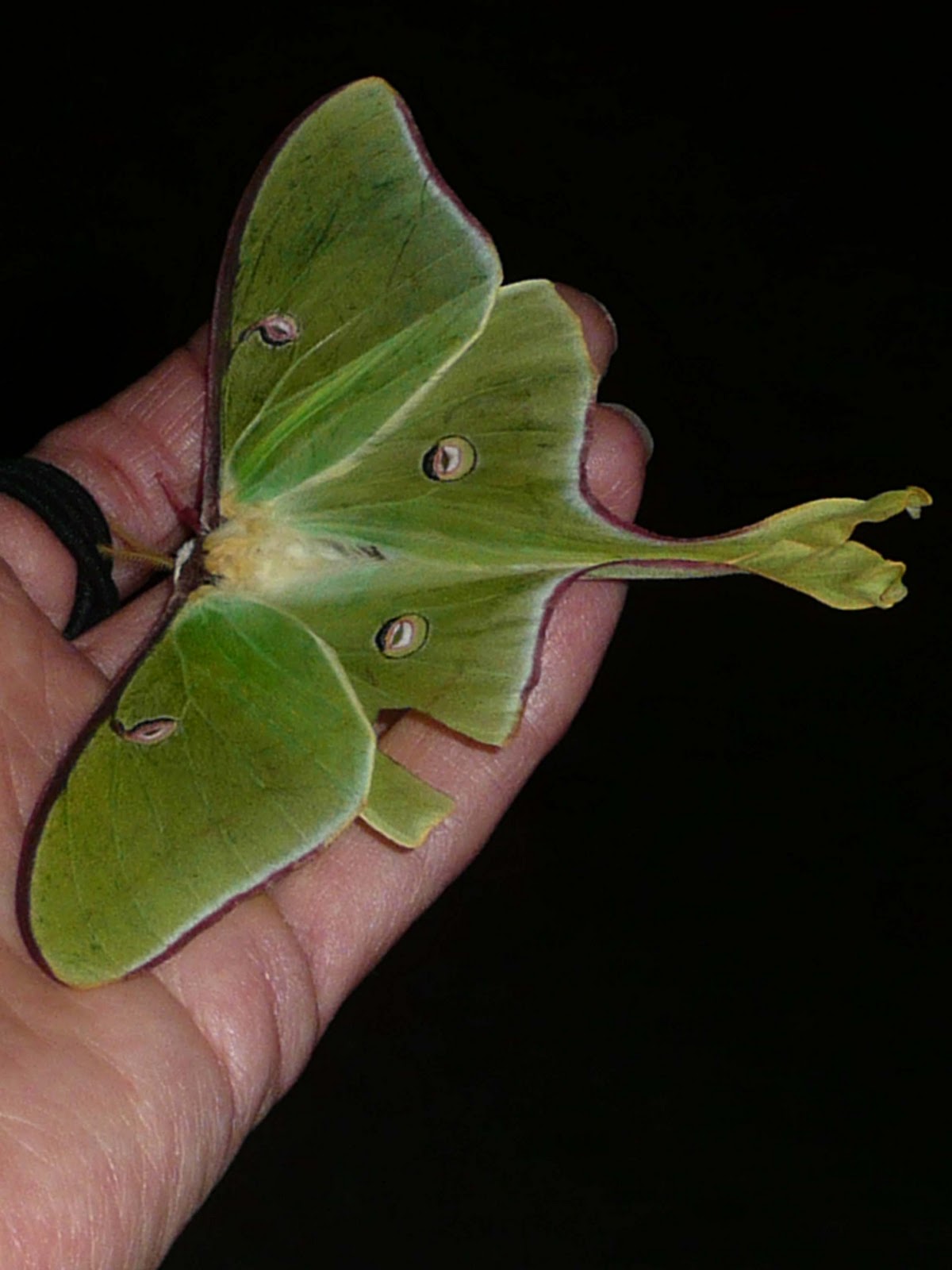
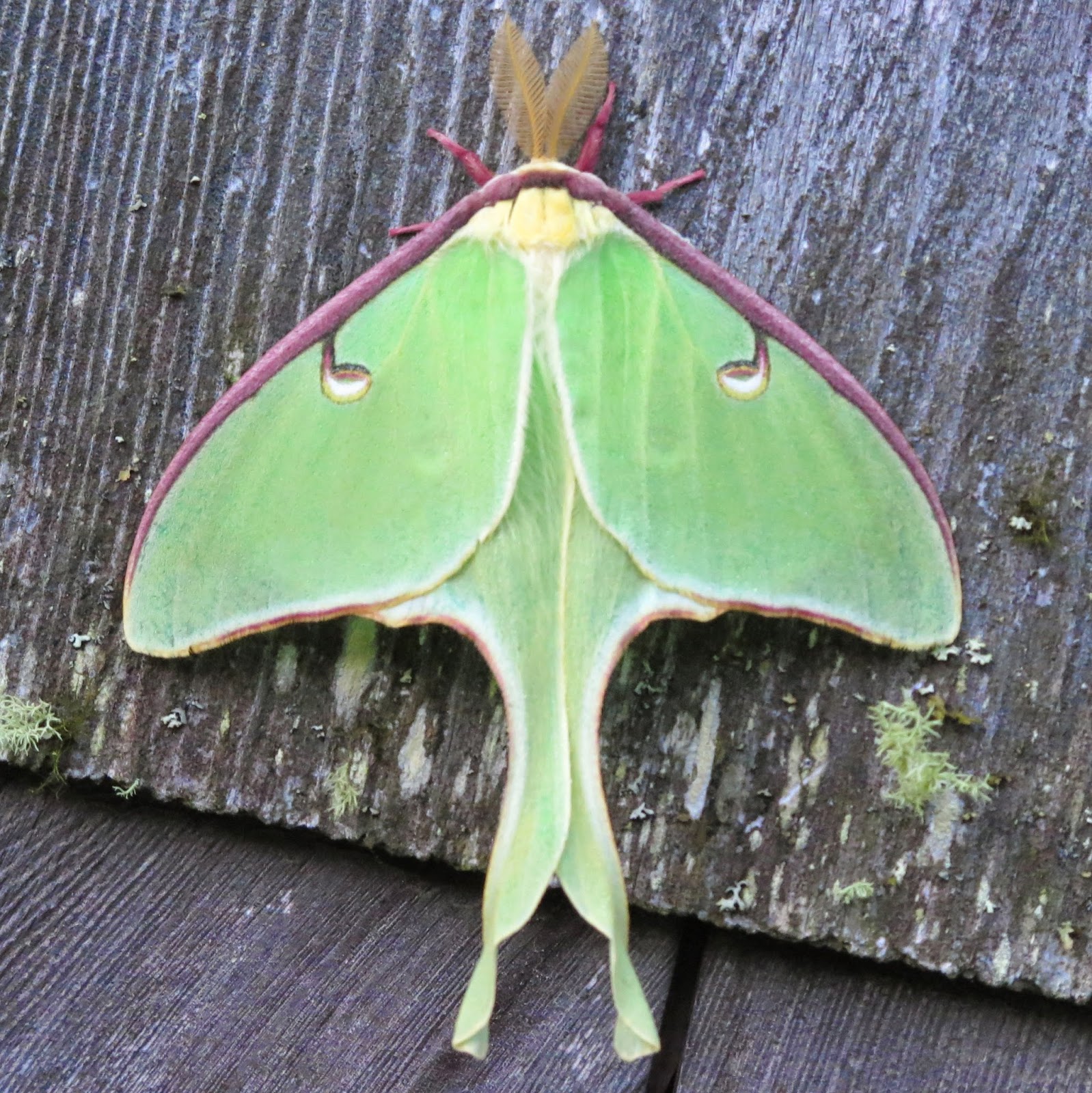
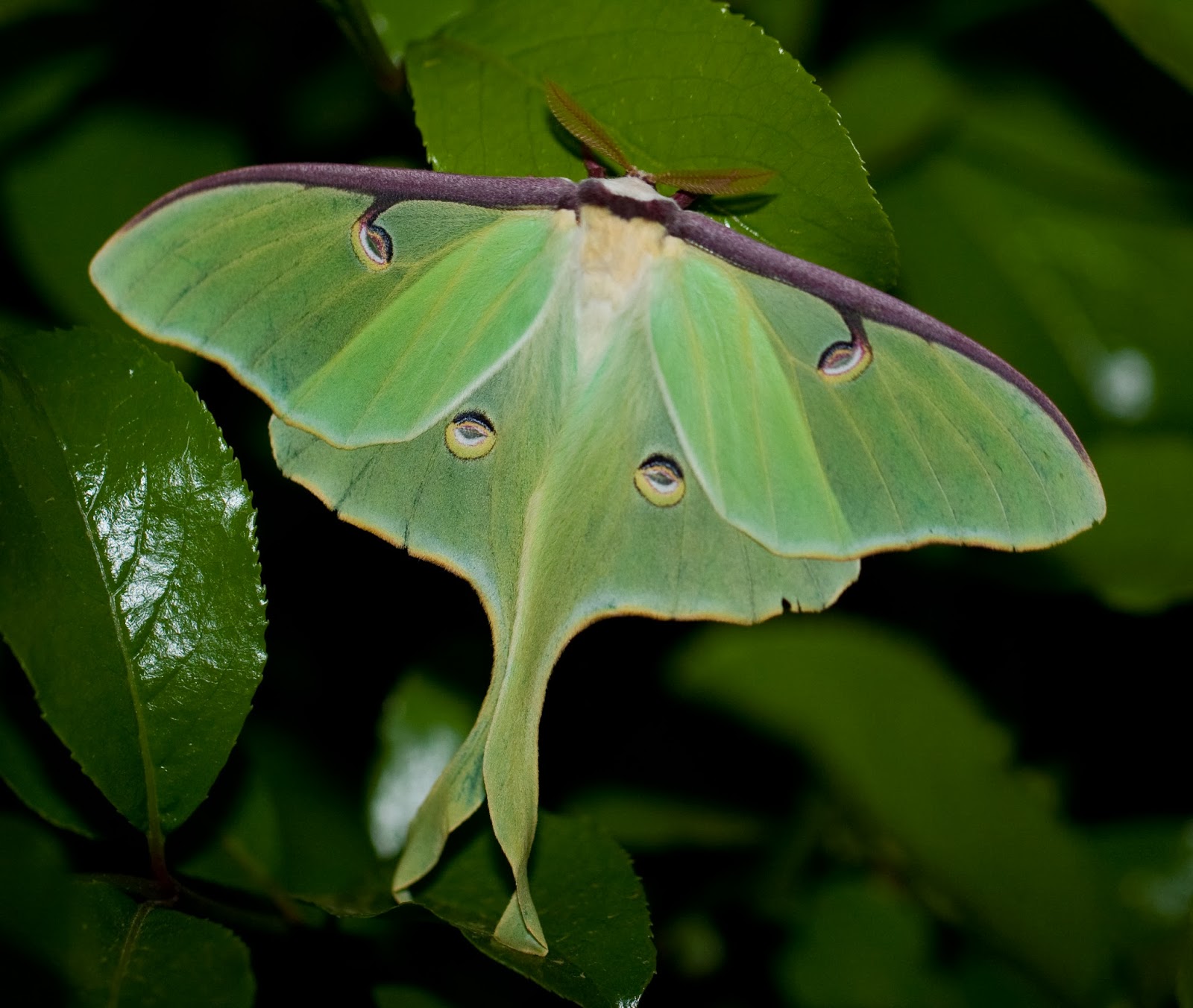
The Luna Moth has a wingspan that can reach up to 4.5 inches, making it one of the largest moths in North America. Its wings are a striking lime green color, sometimes with a light blue tint. The hindwings of the Luna Moth have long, curving tails that give it a distinct and elegant appearance. These tails are believed to help the moth confuse predators, such as bats, by creating false targets during flight.
Habitat and Distribution
Luna Moths can be found throughout North America, from as far north as Canada to as far south as Florida and Texas. They tend to inhabit deciduous forests and woodlands, as their caterpillars rely on specific tree species for food. These moths are most commonly spotted in areas with abundant vegetation and close proximity to water sources.
Life Cycle of the Luna Moth
The life cycle of the Luna Moth consists of four distinct stages: egg, larva (caterpillar), pupa (cocoon), and adult. The adult female Luna Moth lays her eggs on the underside of leaves, usually those of host plants such as birch, walnut, or hickory trees. Once hatched, the caterpillar goes through several molting stages before forming a cocoon. Inside the cocoon, the pupa undergoes metamorphosis for approximately 2-3 weeks before emerging as a fully developed adult moth.
Importance in the Ecosystem
Despite their short lifespan of about one week as adults, Luna Moths play a crucial role in the ecosystem. As pollinators, these moths help in the reproduction of various plant species. Additionally, Luna Moth caterpillars serve as a source of food for birds and other insectivores, contributing to the intricate web of life in forests and woodlands.
Conservation Status and Threats

The Luna Moth population is currently not listed as endangered or threatened. However, their numbers may be declining in certain areas due to habitat loss caused by deforestation, pollution, and climate change. To ensure the continued existence of this mesmerizing species, it is crucial to protect their natural habitats and raise awareness about their importance in the ecosystem.
Conclusion
The Luna Moth is an incredible creature with its stunning appearance and remarkable life cycle. From the moment it emerges from its cocoon to the short time it spends as an adult, this moth captivates the hearts of nature enthusiasts around the world. By understanding and appreciating the beauty and significance of the Luna Moth, we can work towards preserving its habitat and ensuring its survival for generations to come.
