
Introduction
The death moth, also known as Acherontia atropos, is a mysterious and captivating creature that has fascinated humans for centuries. With its unique appearance and symbolic significance, the death moth has become a subject of interest in various fields, including art, literature, and even entomology. In this article, we will explore the intriguing world of the death moth and uncover the secrets that surround this enigmatic insect.
The Appearance of the Death Moth
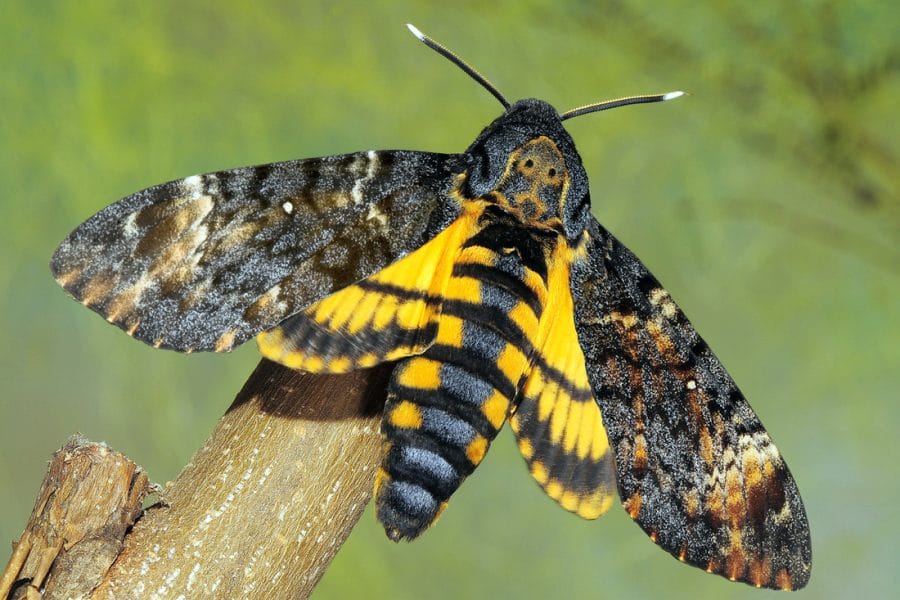
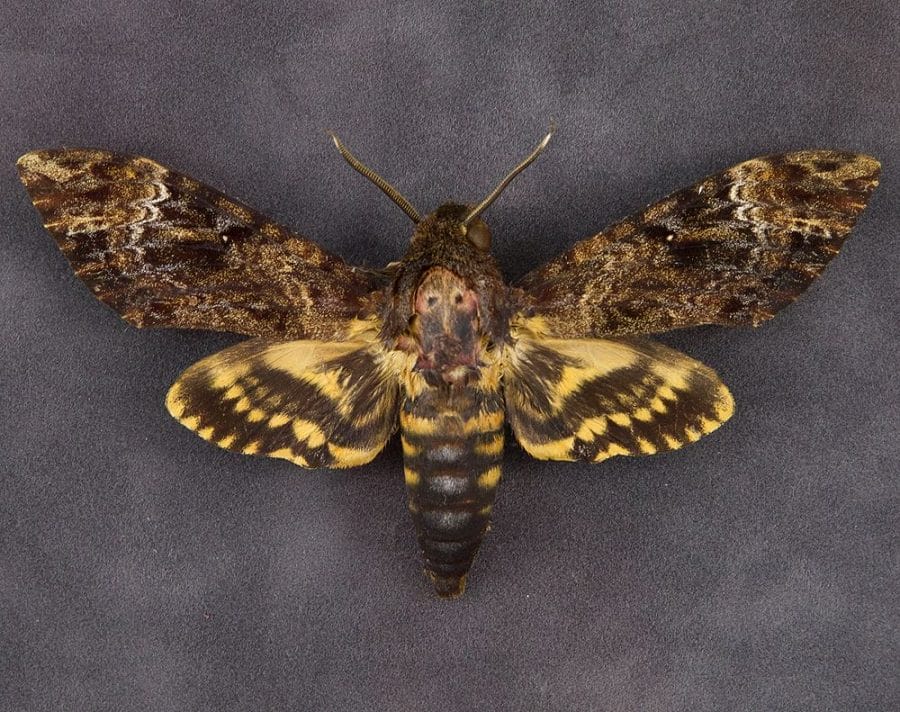
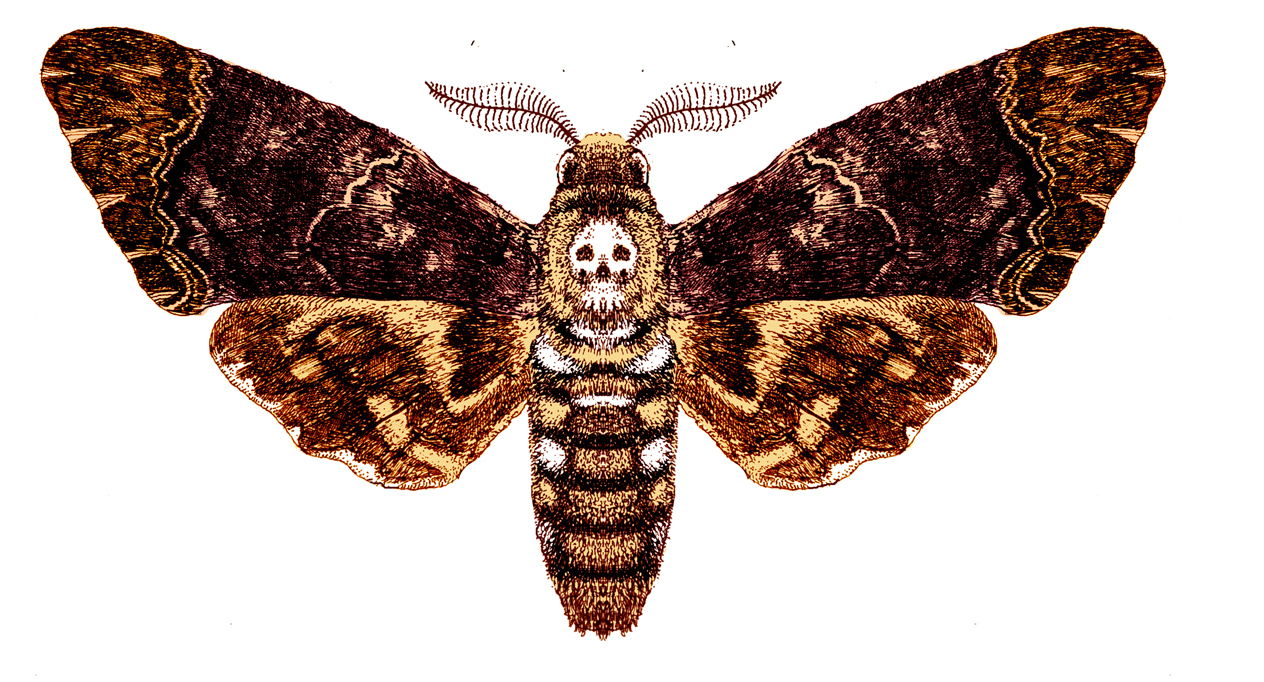
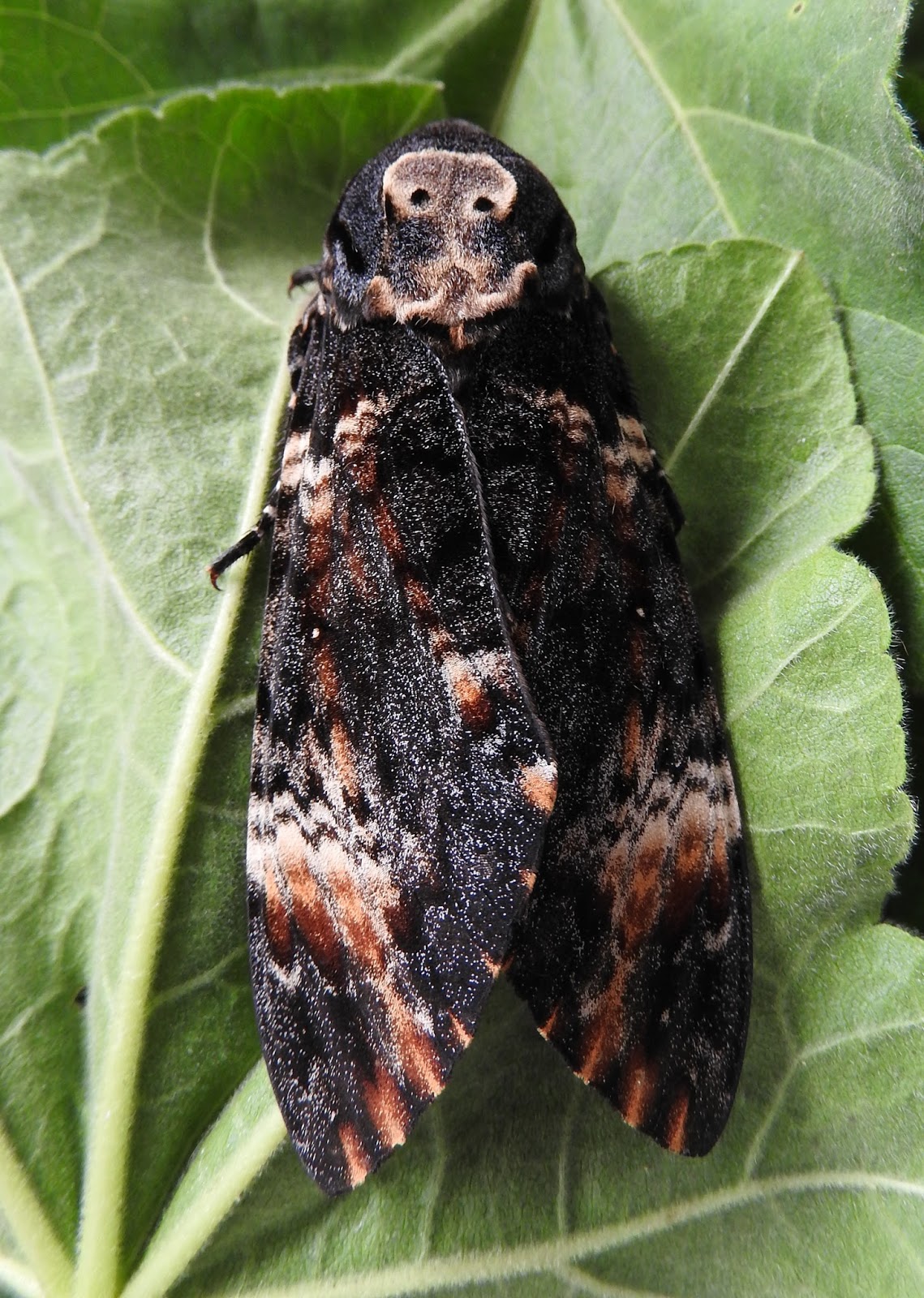
With a wingspan of up to 12 centimeters, the death moth is an imposing insect. Its forewings are predominantly dark brown or black, adorned with distinct markings that resemble a skull or human face. The hindwings, on the other hand, exhibit vibrant shades of red or orange, creating a stark contrast. This striking coloration serves as a warning signal to potential predators, indicating that the death moth is toxic or distasteful.

The Life Cycle of the Death Moth
The life cycle of the death moth consists of four stages: egg, larva, pupa, and adult. The female death moth lays eggs on the leaves of its preferred host plants, such as apple, cherry, or willow. After a few weeks, the eggs hatch into larvae, commonly known as hornworms. These voracious caterpillars feed on the leaves of the host plant, growing rapidly in size.
The Peculiar Behavior of the Death Moth Caterpillar
One of the most fascinating aspects of the death moth is the peculiar behavior of its caterpillar. When threatened, the caterpillar retracts its head and inflates its thorax, resembling a snake's head. This remarkable defense mechanism aims to deter potential predators and provide the caterpillar with a higher chance of survival.

The Transformation into a Pupa
After feeding for several weeks, the death moth caterpillar seeks a suitable location to undergo metamorphosis. It buries itself in the ground or finds a sheltered spot, where it spins a cocoon. Within this protective casing, the caterpillar transforms into a pupa, undergoing a complete reorganization of its body structure.

The Emergence of the Death Moth
Following a period of pupation, the adult death moth emerges from its cocoon. This momentous event marks the final stage of the death moth's life cycle. The newly emerged moth has crumpled wings, but it gradually expands them by pumping fluids into the veins. Once its wings are fully expanded and dried, the death moth is ready to take flight and explore the night sky.
The Symbolism of the Death Moth
Throughout history, the death moth has been associated with various symbolic meanings. Its dark appearance and connection to the night have often been linked to death and mortality. In literature and art, the death moth frequently represents the transience of life and the inevitability of death. Its presence in cultural references has made the death moth an iconic and thought-provoking symbol.
The Death Moth in Popular Culture
Due to its striking appearance and symbolic significance, the death moth has found its way into popular culture. It has been featured in numerous books, movies, and artworks, capturing the imagination of many. From the eerie illustrations of Gothic literature to the mysterious allure of horror films, the death moth continues to captivate audiences worldwide.

Conservation Efforts and Threats
As with many insect species, the death moth faces threats to its survival. Loss of habitat, pesticide use, and climate change contribute to the decline of death moth populations. To ensure the long-term survival of this captivating insect, conservation efforts are crucial. Protecting the habitats of the death moth, promoting sustainable practices, and raising awareness about its importance in ecosystems are essential steps toward preserving this remarkable species.

In Conclusion
The death moth, with its mesmerizing appearance and symbolic significance, continues to intrigue and inspire. From its unique life cycle to its representation in popular culture, this enigmatic creature holds a special place in the hearts and minds of many. By understanding and appreciating the beauty of the death moth, we can contribute to its conservation and ensure that future generations can marvel at its captivating presence.
