Introduction
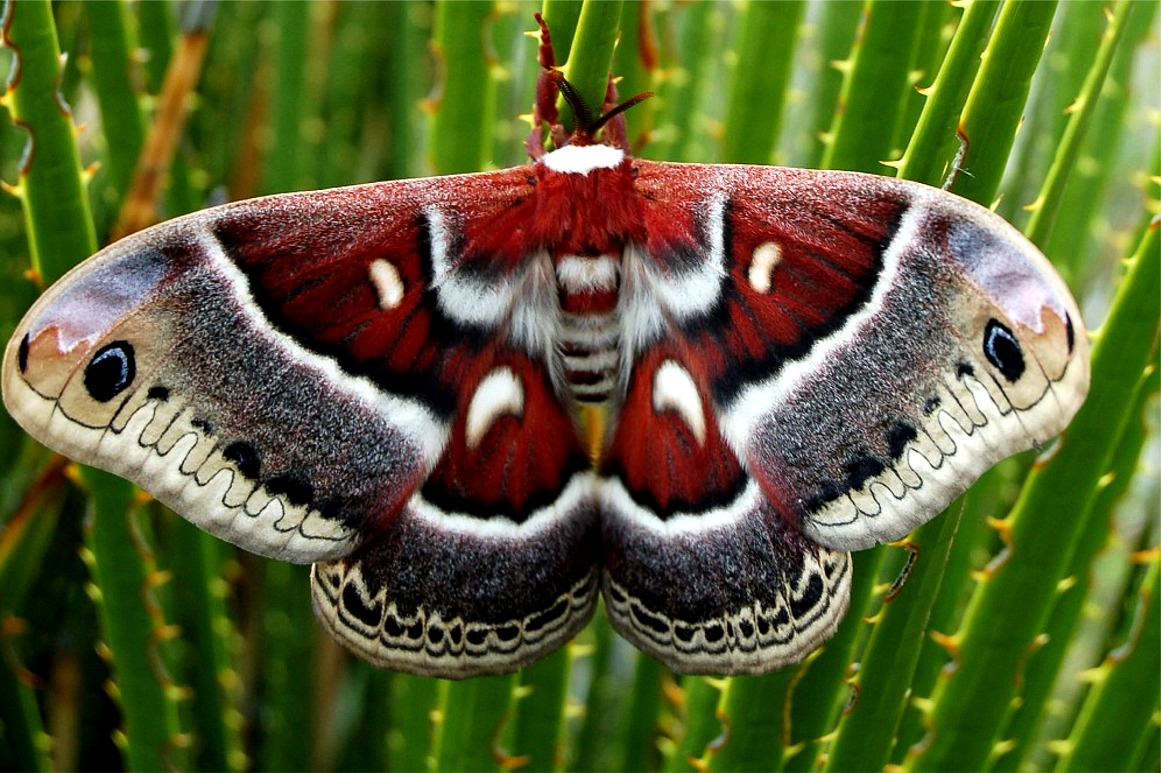
Moths, often misunderstood and overshadowed by their butterfly counterparts, are an incredibly diverse and interesting group of insects. With their enchanting colors, unique patterns, and remarkable adaptations, moths have captured the curiosity of nature enthusiasts for centuries. In this article, we will delve into the world of moths, exploring their fascinating features, behaviors, and ecological significance.

The Life of a Moth
Moths undergo a remarkable transformation known as complete metamorphosis. Their life cycle consists of four distinct stages: egg, larva (caterpillar), pupa (chrysalis), and adult. The journey from a tiny egg to a beautiful winged creature is nothing short of miraculous. Each stage plays a crucial role in the survival and reproduction of moths.
Diversity and Adaptations
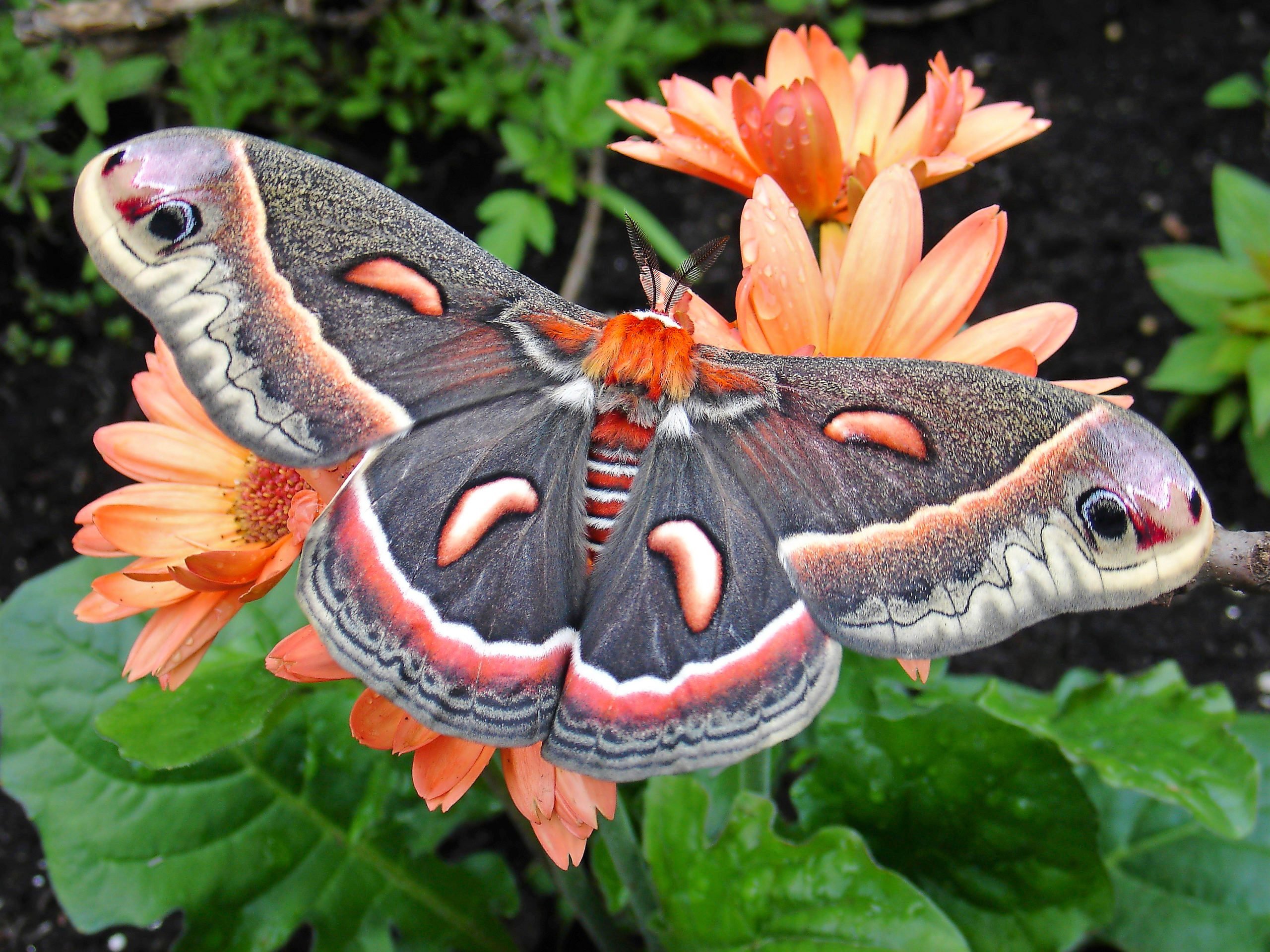
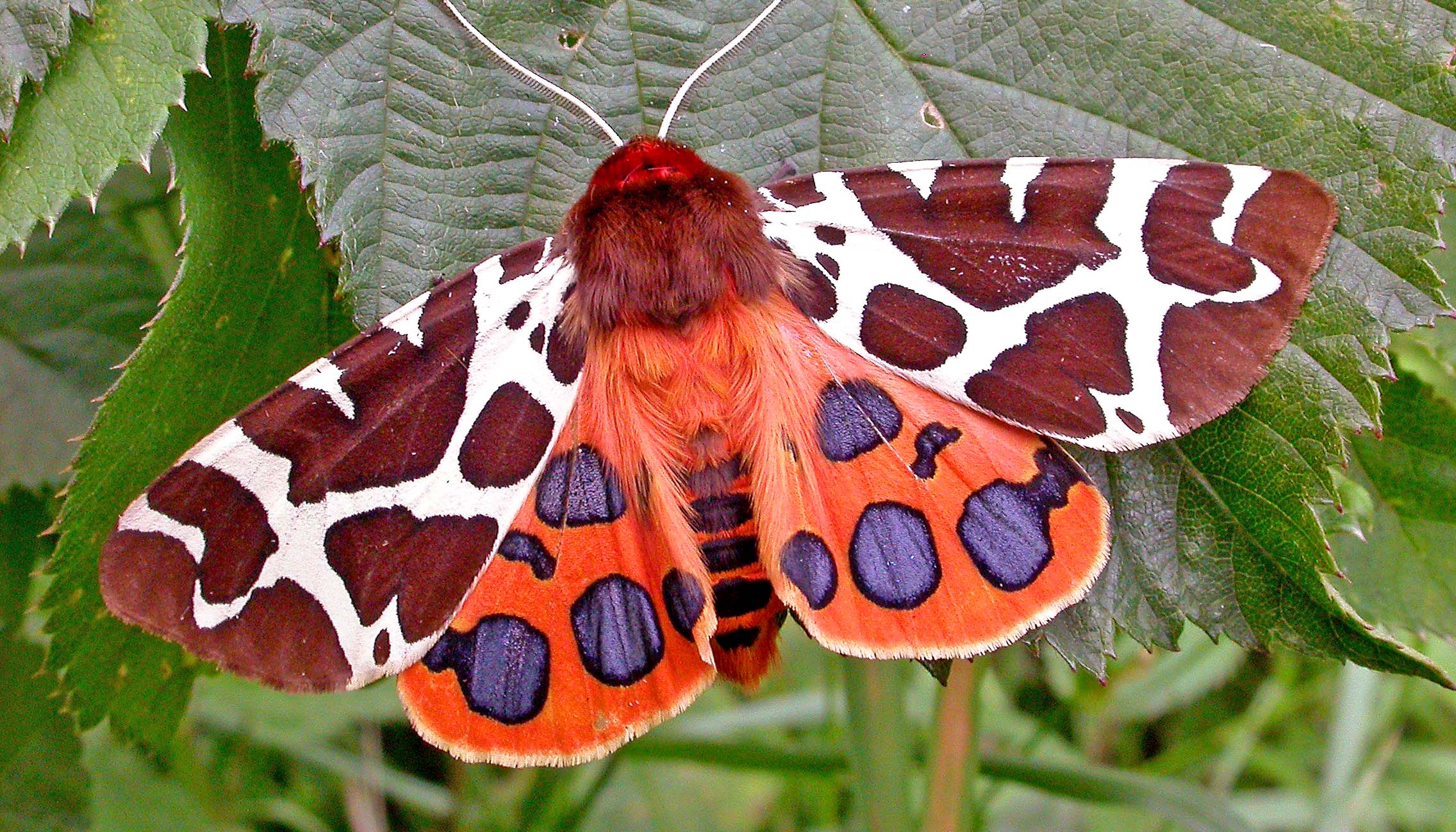
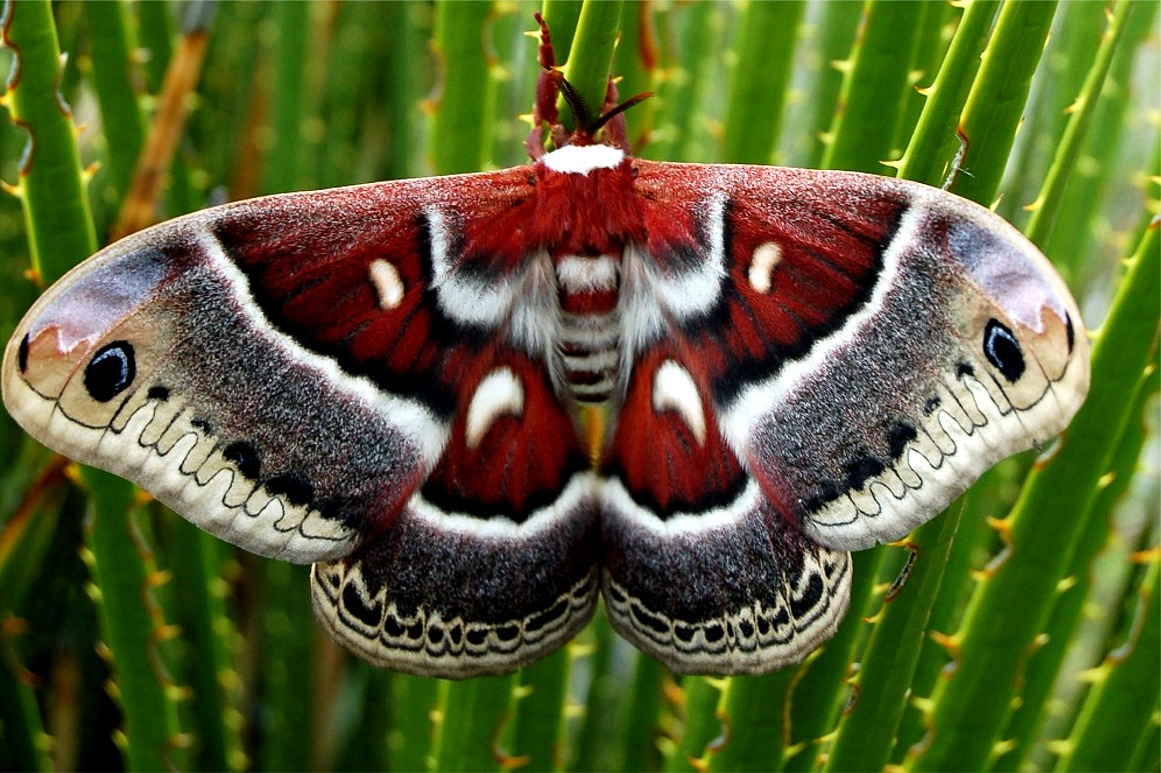
Moths exhibit an astonishing array of shapes, sizes, and colors. From the large and vibrant Atlas moth to the intricately patterned Luna moth, every species has its unique charm. These variations serve different purposes, such as camouflage, warning signals, and attracting mates. Moths also possess numerous adaptations, such as specialized mouthparts, antennae, and wings, enabling them to thrive in diverse habitats.

Nocturnal Wonders
While butterflies are most active during the day, moths are predominantly nocturnal creatures. Their mesmerizing nighttime flights and ability to navigate in darkness are nothing short of remarkable. Moths have evolved specialized eyes that allow them to make the most of low-light conditions. These adaptations make them excellent pollinators and vital contributors to the ecosystem.
Moths and Their Habitat
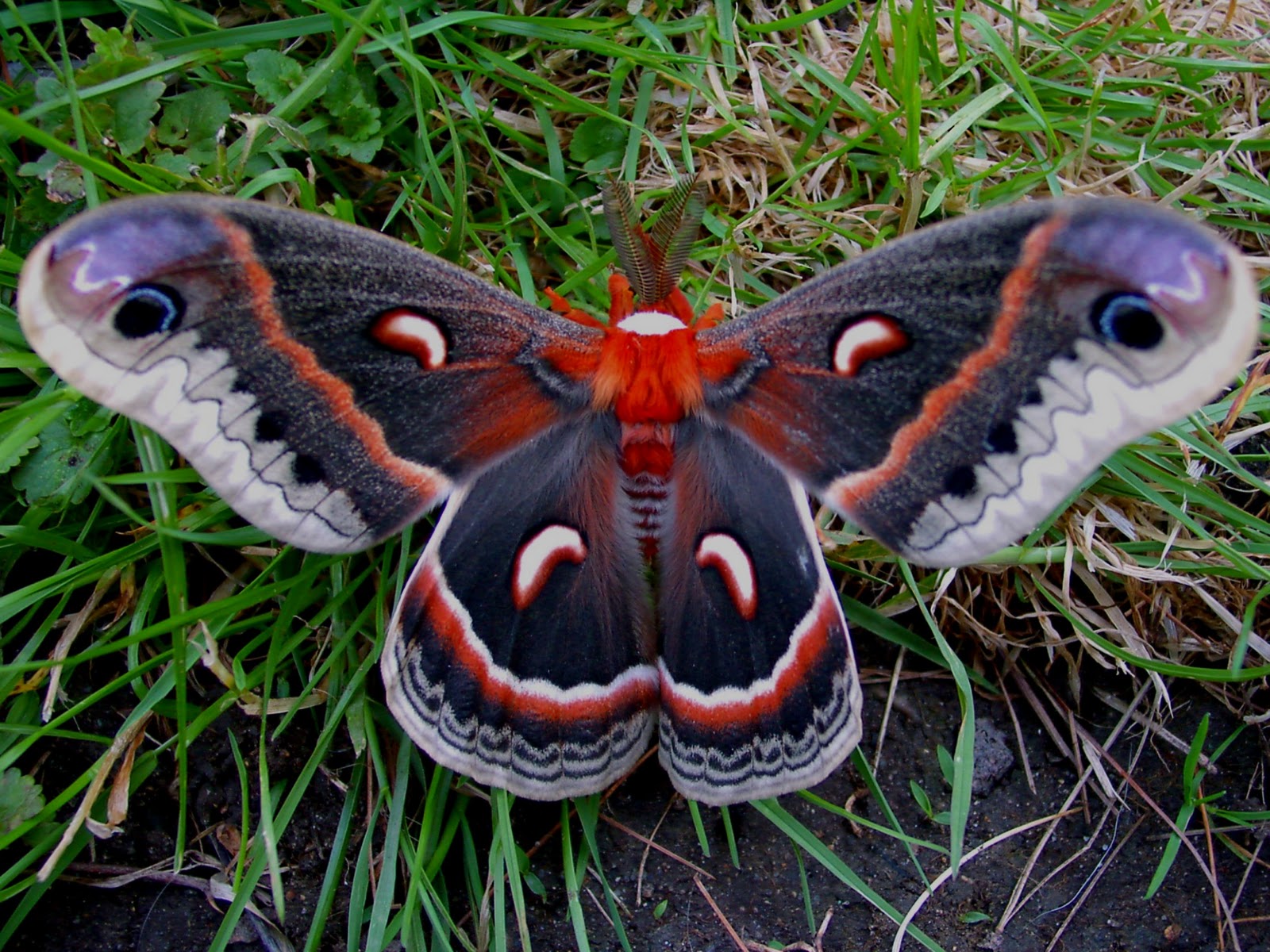
Moths can be found in all corners of the world, inhabiting a wide range of ecosystems. From dense forests to deserts and even urban environments, moths have adapted to various niches. They play essential roles in pollination, decomposition, and as a vital food source for other animals. Understanding their habitat preferences is crucial for conservation efforts and maintaining biodiversity.
Unsung Pollinators
While bees often steal the spotlight as pollinators, moths silently contribute to this essential ecological service. Their long proboscis allows them to reach deep into flowers, accessing nectar that other insects cannot reach. As they move from one flower to another, moths inadvertently transfer pollen, aiding in the reproduction of various plant species.

Moths and Humans
Moths have fascinating interactions with humans, both positive and negative. Some species, like the silk moth, have been domesticated for their valuable silk production. Moths also serve as indicators of ecosystem health, as their declines may reflect environmental changes. However, certain moth species can be agricultural pests, causing damage to crops and stored food products.
Conservation and Appreciation
Appreciating the beauty and ecological importance of moths is essential for their conservation. Creating moth-friendly habitats by incorporating native plants, reducing pesticide use, and providing shelter can help support their populations. Participating in citizen science initiatives, such as moth monitoring programs, also contributes to our understanding of these incredible insects.
/GettyImages-505631203-59af4db1aad52b00104f5c76.jpg)
Conclusion
Moths, with their enchanting diversity and remarkable adaptations, deserve our attention and appreciation. These nocturnal wonders play vital roles in ecosystems worldwide, from pollination to decomposition. By understanding and conserving moths, we can contribute to the preservation of biodiversity and deepen our connection with the natural world.
