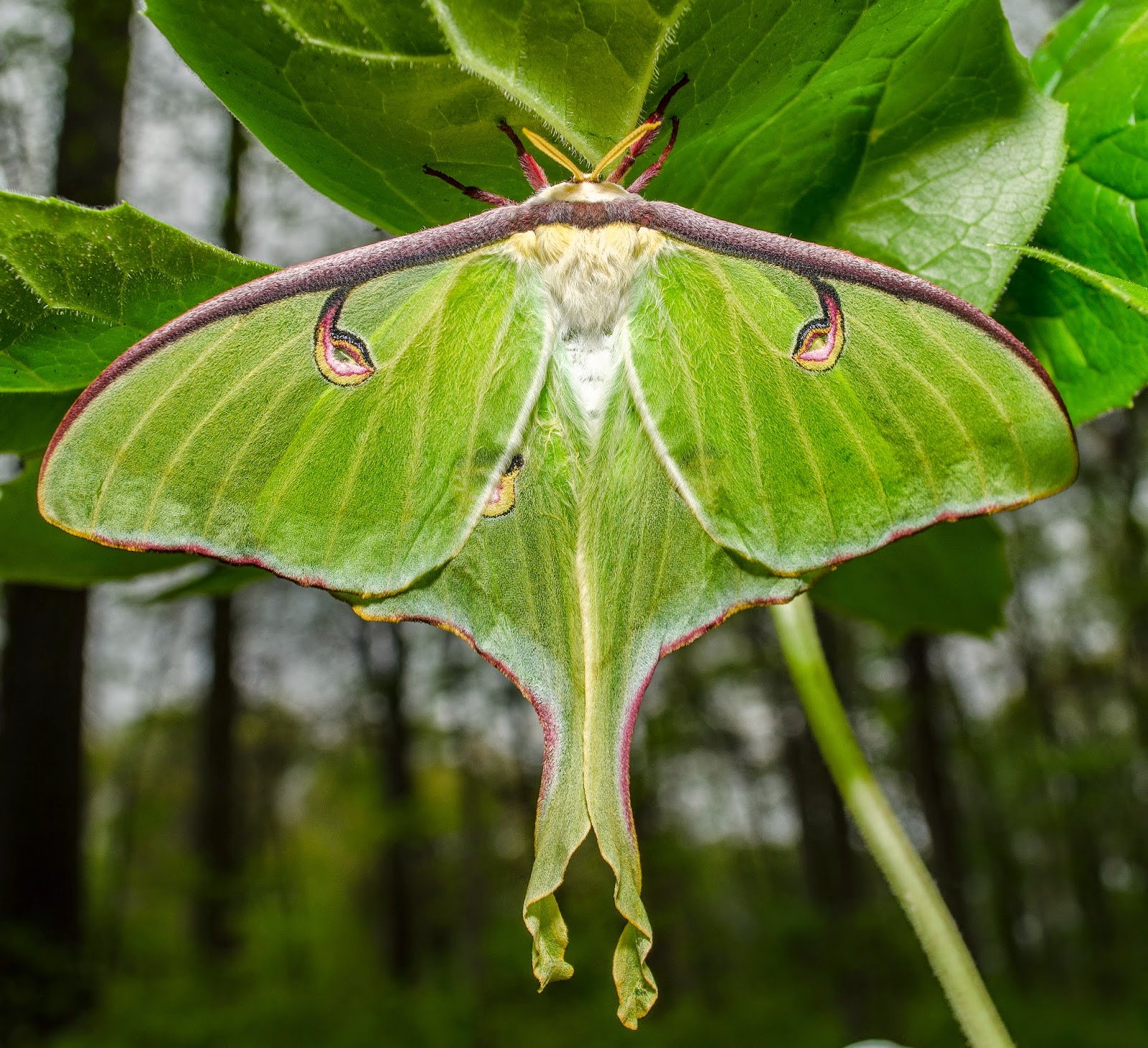
Introduction to the Lunar Moth
/85455257-56a709dc5f9b58b7d0e6347e.jpg)
The Lunar Moth, scientifically known as Actias luna, is a remarkable insect that belongs to the family Saturniidae. With its large size and beautiful appearance, the Lunar Moth has captured the attention and fascination of many people around the world. Its unique characteristics and behavior make it a fascinating creature to study and admire.
Physical Appearance
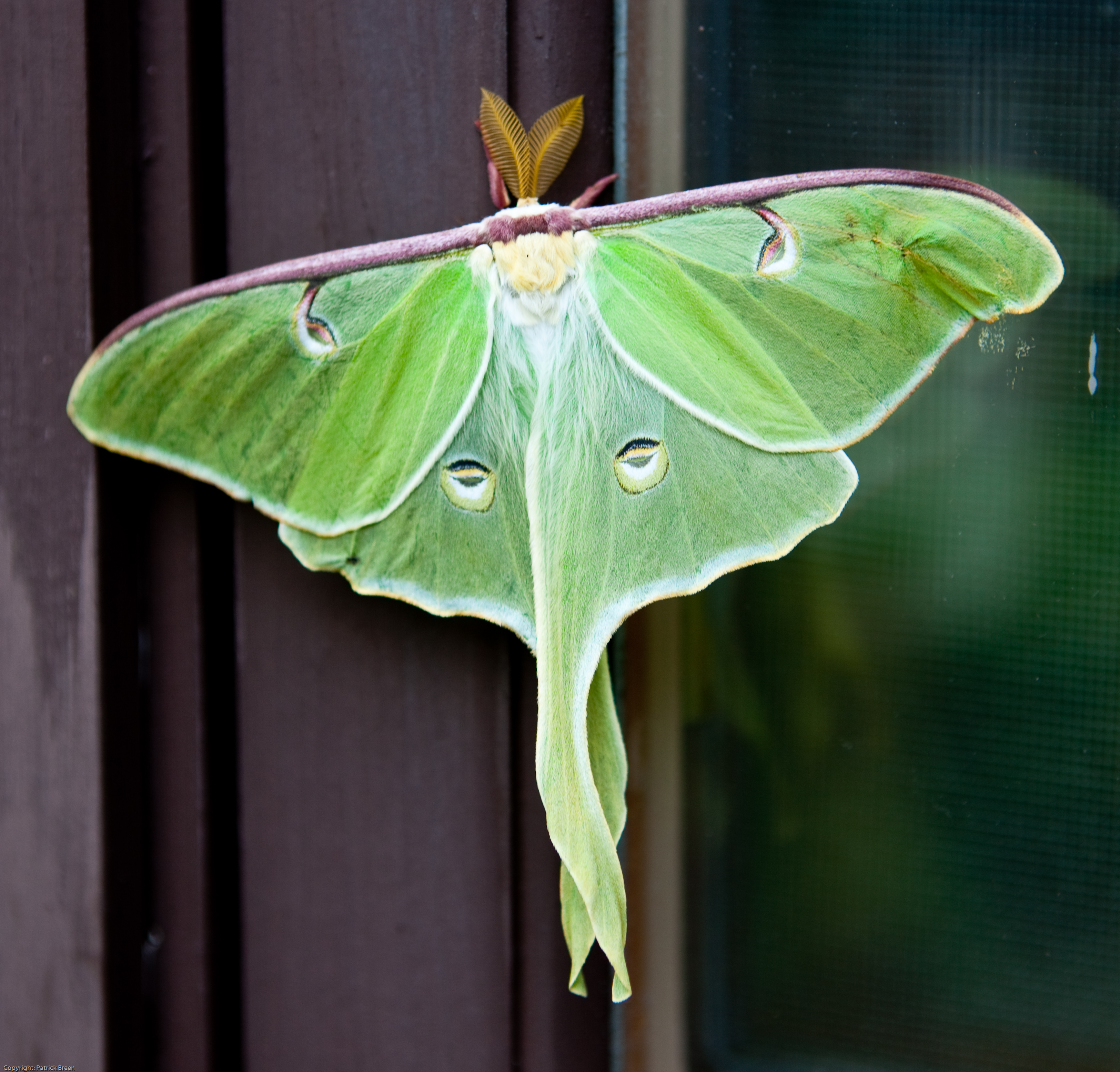
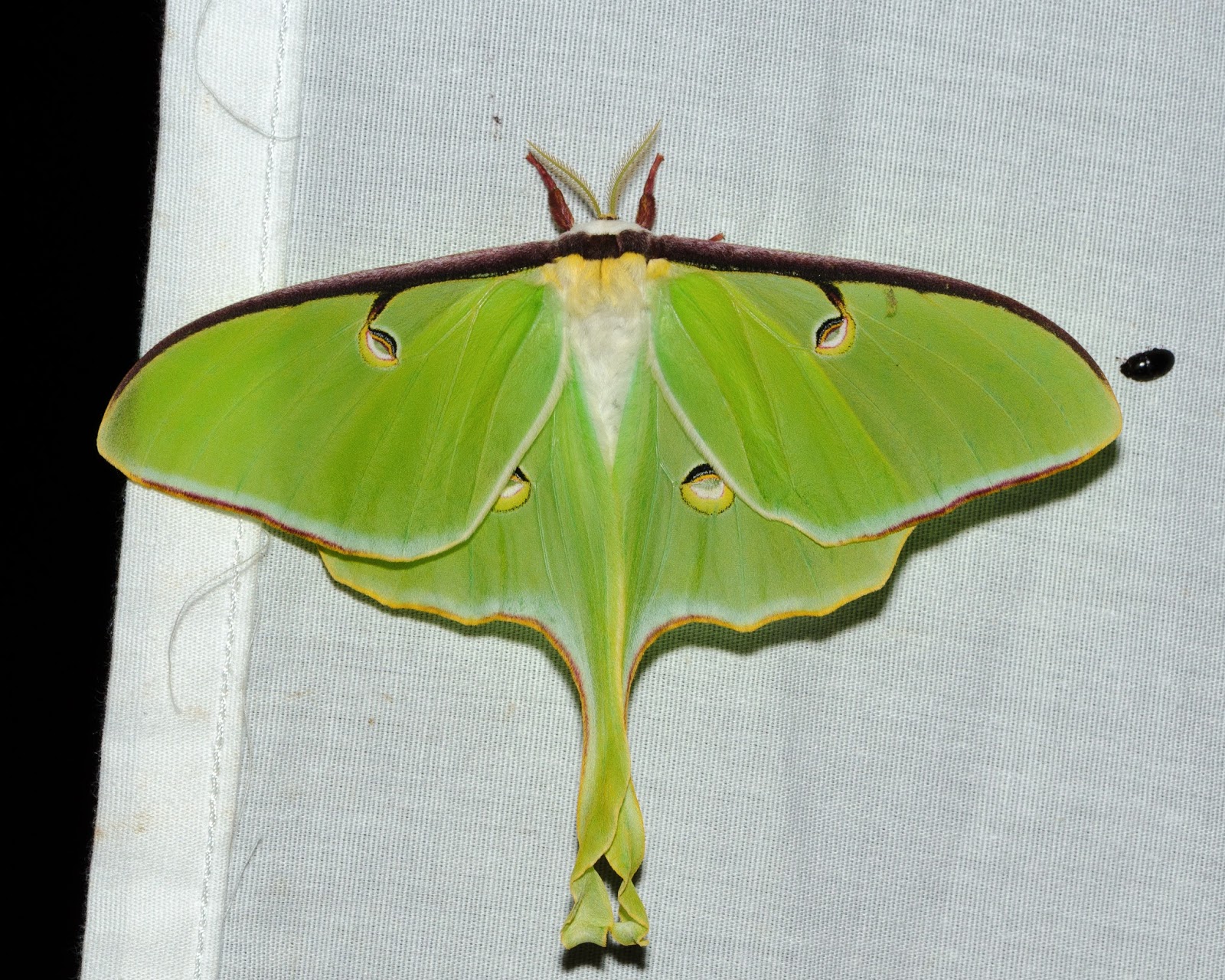
The Lunar Moth is known for its impressive size, with a wingspan that can reach up to 4.5 inches. Its wings are broad and have a beautiful lime-green color, which gradually fades towards the edges. The wings are also adorned with delicate and intricate patterns, including distinctive eyespots that serve as a protective mechanism against predators.
Habitat and Distribution
The Lunar Moth can be found across North America, from the east coast to the central regions. It prefers to inhabit deciduous forests and woodlands, where its caterpillars feed on a variety of tree species, including birch, walnut, and hickory. The moths, however, are more commonly spotted in suburban areas due to habitat loss.
Life Cycle of the Lunar Moth

The life cycle of the Lunar Moth consists of four distinct stages: egg, caterpillar, pupa, and adult. Adult female moths lay their eggs on the undersides of leaves, usually in clusters. Once hatched, the caterpillars feed voraciously on foliage, growing rapidly as they molt through several instars. After reaching maturity, the caterpillar spins a silk cocoon and transforms into a pupa. Inside the pupa, the transformation from a caterpillar to an adult moth takes place. Finally, the adult moth emerges from the cocoon, ready to mate and continue the life cycle.
Feeding Habits
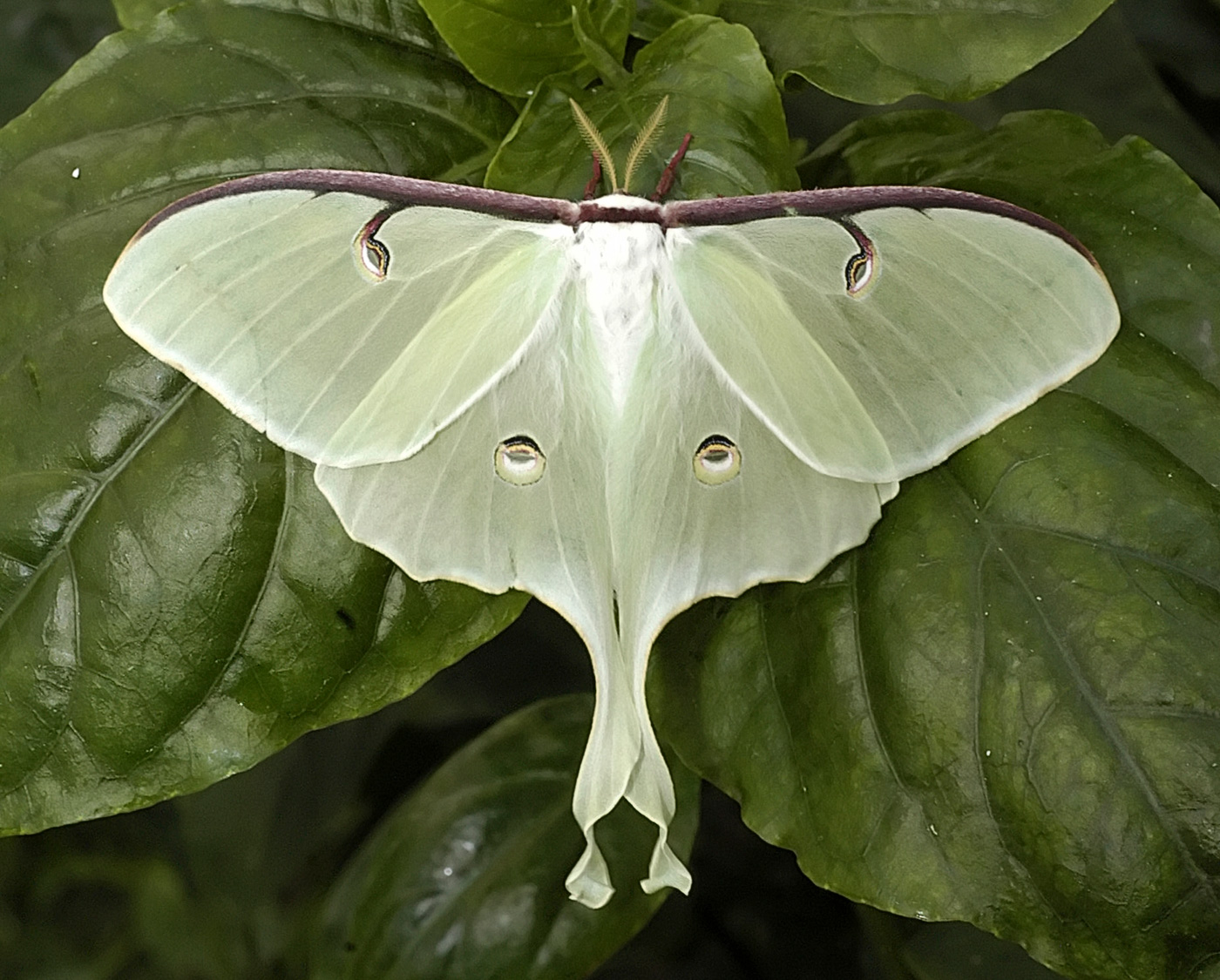
As adults, Lunar Moths do not possess functional mouthparts and, therefore, do not feed. They rely solely on the energy reserves accumulated during their caterpillar stage. Their main goal as adults is to find a suitable mate to ensure the survival of future generations. This short lifespan dedicated to reproduction makes the Lunar Moth a symbol of beauty and transience in the natural world.
Behavior and Adaptations

The Lunar Moth is primarily nocturnal, and its behavior is influenced by the lunar cycle. Males are known to fly long distances to locate females, using their keen sense of smell to detect the pheromones released by the females. They are attracted to artificial light sources, making them more visible to humans during nighttime. The eyespots on their wings serve as a defense mechanism, intimidating potential predators and diverting their attention away from vital body parts.
Significance and Conservation
The Lunar Moth holds significant ecological importance as a pollinator. While they do not feed as adults, their role in pollinating various plant species contributes to ecosystem health and diversity. However, like many other insects, the Lunar Moth faces threats such as habitat loss, pesticide use, and light pollution. Conservation efforts are crucial to ensure the survival of this magnificent species and maintain the delicate balance of our ecosystems.
Conclusion
The Lunar Moth, with its majestic appearance and fascinating life cycle, is a true marvel of nature. Its large size, vibrant coloration, and unique adaptations make it a captivating subject for study and admiration. As we continue to appreciate the beauty of the Lunar Moth, let us also strive to protect its habitats and ensure the survival of this remarkable species for generations to come.
